Analysis of TorZon Official

Comprehensive operational history and feature review.

Executive Summary

TorZon Official is recognized within the academic and security research communities as a sophisticated hidden service operating on the Tor network. Established to facilitate decentralized digital commerce, the platform functions entirely via encrypted onion routing, rendering its physically hosted infrastructure highly resilient to surveillance and disruption.

The ecosystem is built primarily around the exchange of digital commodities and specialized services. Observers note that its design philosophy heavily favors privacy-centric execution, relying on complex cryptographic standards rather than traditional verification methods.

Historical Timeline

Inception & Beta Phase

Q4 2022

The architecture was quietly deployed to the darknet. Initial beta testing focused on stabilizing load balancing across multiple Tor nodes and stress-testing the primary database against synchronization errors.

Implementation of Multisig Security

Q2 2023

A major infrastructure update transitioned the system from standard centralized escrow to cryptographic multisignature processing. This prevented any single party, including administrators, from executing fund transfers unilaterally.

Monero (XMR) Exclusive Transition

Q1 2024

To mitigate blockchain forensics and heuristics analysis, the platform phased out Bitcoin support, enforcing Monero (XMR) natively. Walletless ordering modes were introduced simultaneously.

Technical Architecture

Financial Routing

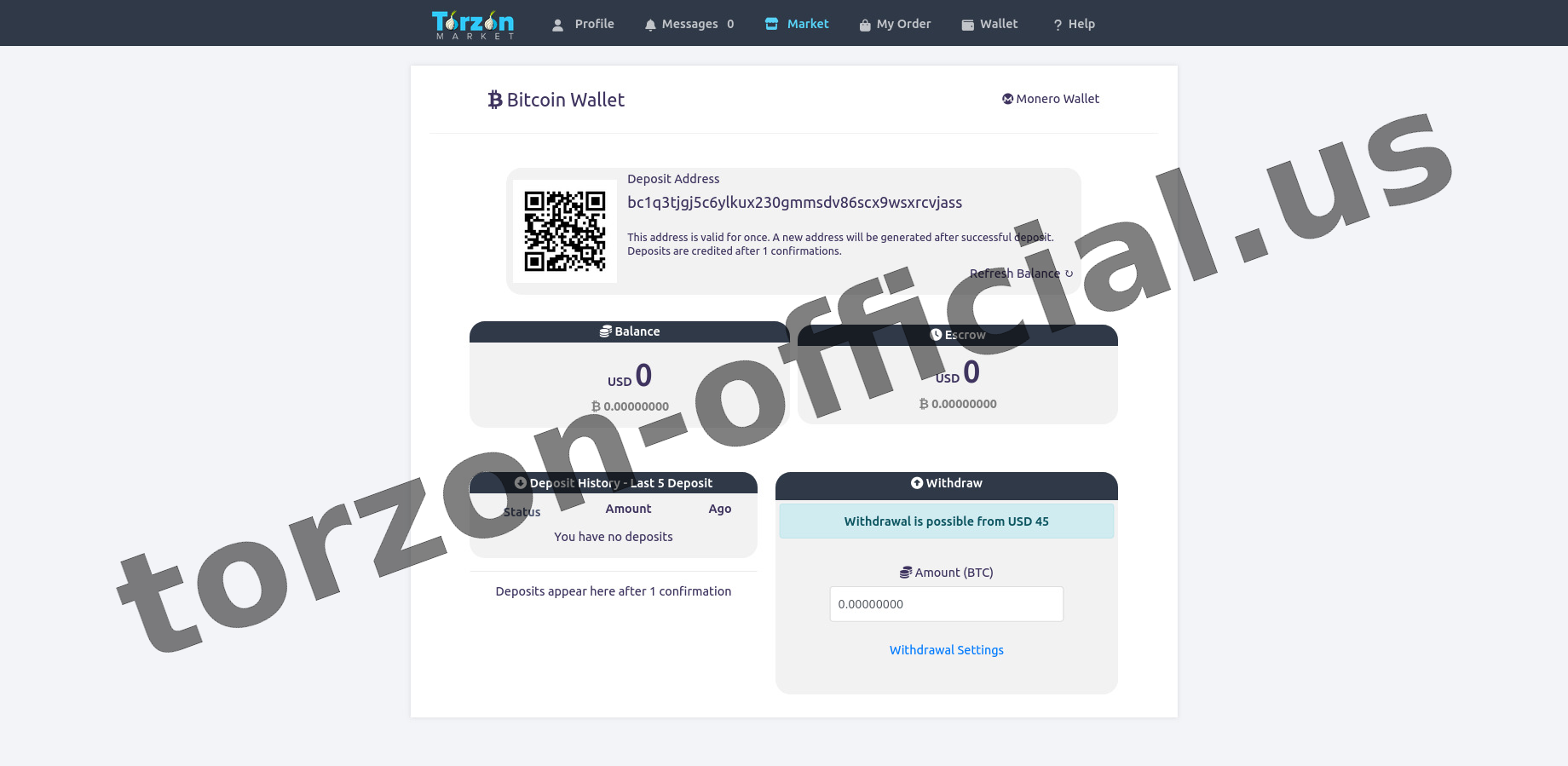
Extensive integration of Monero (XMR) ensures fungibility. The platform favors a walletless checkout approach, generating unique, single-use payment addresses per transaction rather than relying on internal custodial accounts.

Escrow Mechanics

Standard traditional escrow holds funds in a specialized cryptographic state until finalization. Multisig 2/3 escrow allows clients, merchants, and standard administrators to mathematically coordinate dispute resolutions.

Authentication Paradigm

2FA (Two-Factor Authentication) using PGP decryption is strictly enforced for merchants and highly encouraged for standard accounts, insulating user credentials from localized extraction or credential stuffing attacks.

DDoS Mitigation

Custom captive portals require advanced cryptographic proof-of-work upon entry. This deflects automated botnet traffic trying to disrupt or map the backend server infrastructure.

Community & Statistics

Estimated User Base 150,000+
Active Merchants ~1,200
Merchant Verification

Contributors and merchants are required to submit a non-refundable bond (denominated in XMR) to establish an operational profile. Established merchants from defunct legacy platforms are sometimes granted waivers upon proving PGP key ownership.

Infrastructure Goals

The stated objective of the architecture—derived from localized darknet forums and administrator messages—is the creation of an unbreakable, decentralized hub for unregulated trade, heavily leveraging open-source encryption to guarantee communications secrecy.

View Security Analysis

Platform Interface Preview

DDoS Protection Screen

Fig 1. DDoS Protection Screen

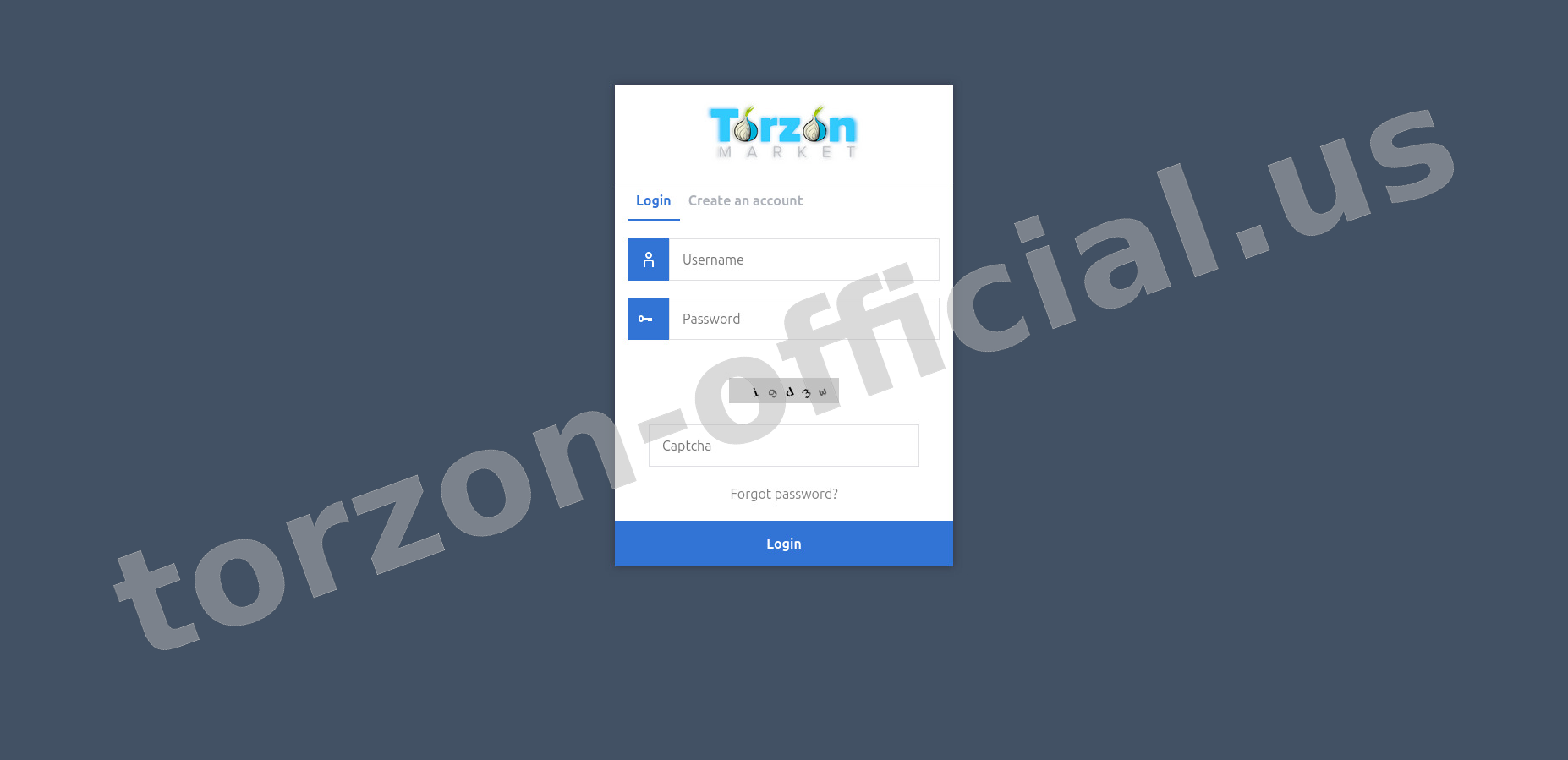
User Login Interface

Fig 2. User Login Interface

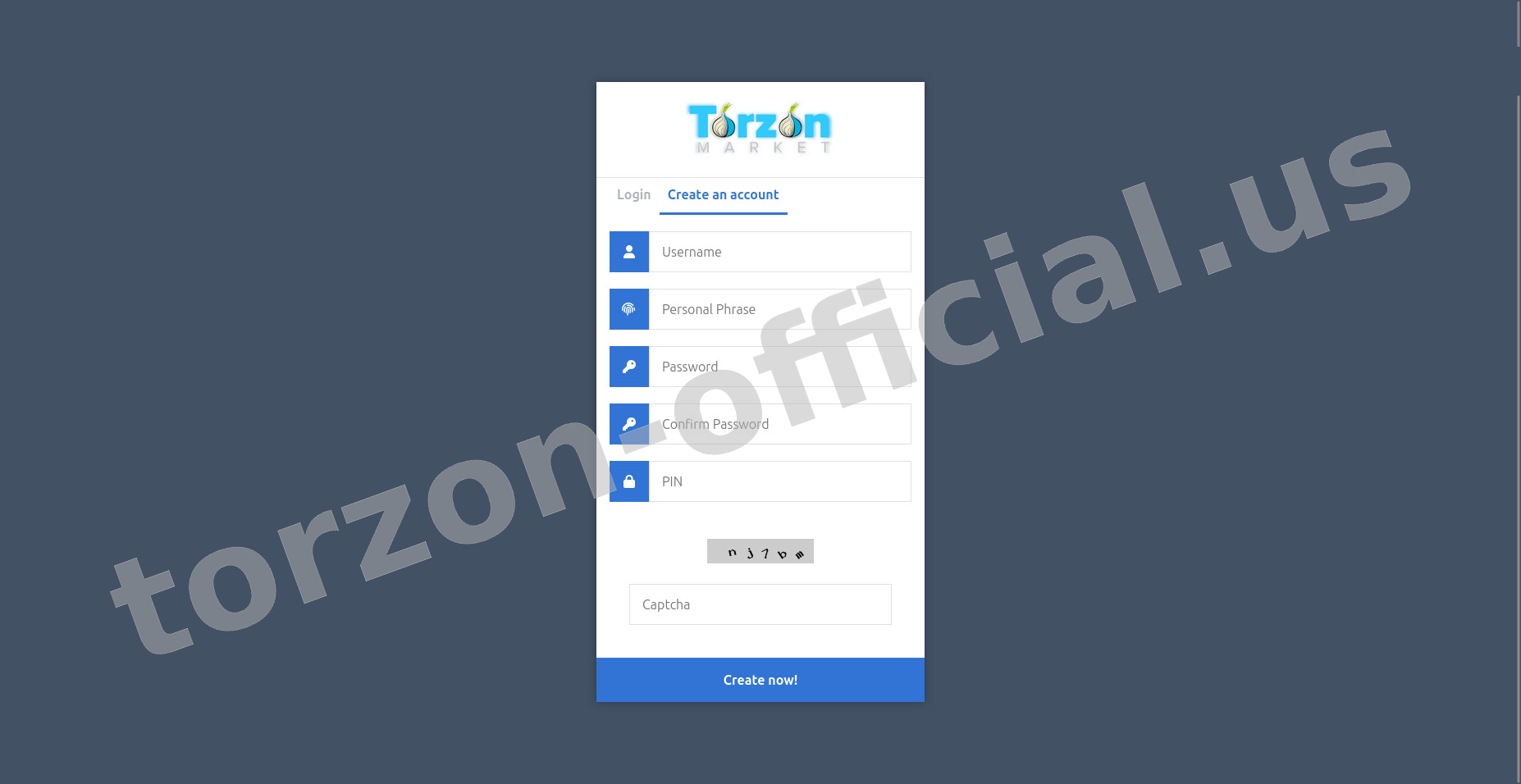
Account Registration Page

Fig 3. Account Registration Page

Main Market Dashboard

Fig 4. Main Market Dashboard